
All about floods: causes, dangers, and ways to stay safe
|
Did you know that floods account for most of today’s weather-related natural disasters? They have affected 2.3 billion between 1995 and 2015, with a vast majority of those affected living in Asia alone. As the annual average number of floods increases drastically over recent years, do you know how to stay safe during a flood?
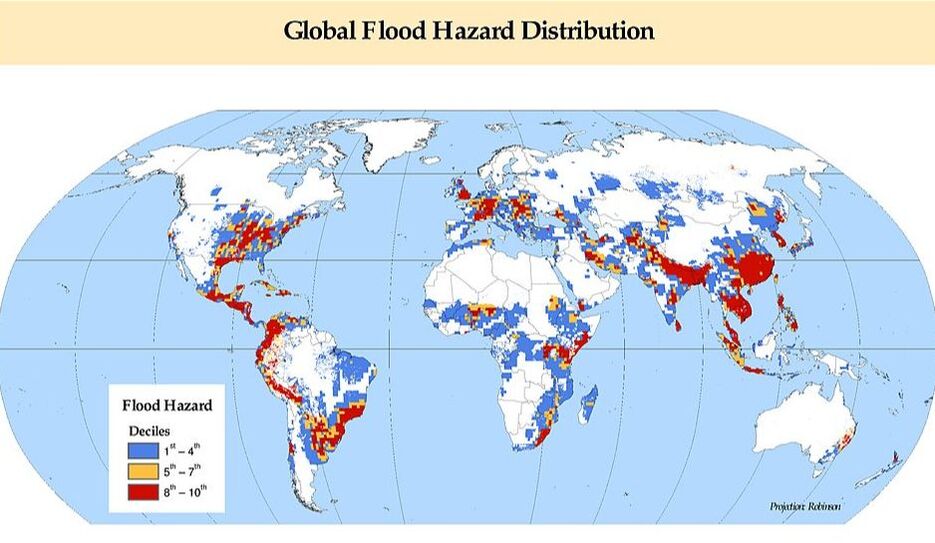
This map highlights extreme floods from 1985-2003. Flooding is visible in more than 1/3 of the world's land area. Source: SEDAC, Columbia University
What causes floods?Floods occur for a myriad of reasons: as the world's climate changes, we are seeing a rise in weather-related floods; but some major flood disasters are also caused by man made human error. We'll talk about that later!
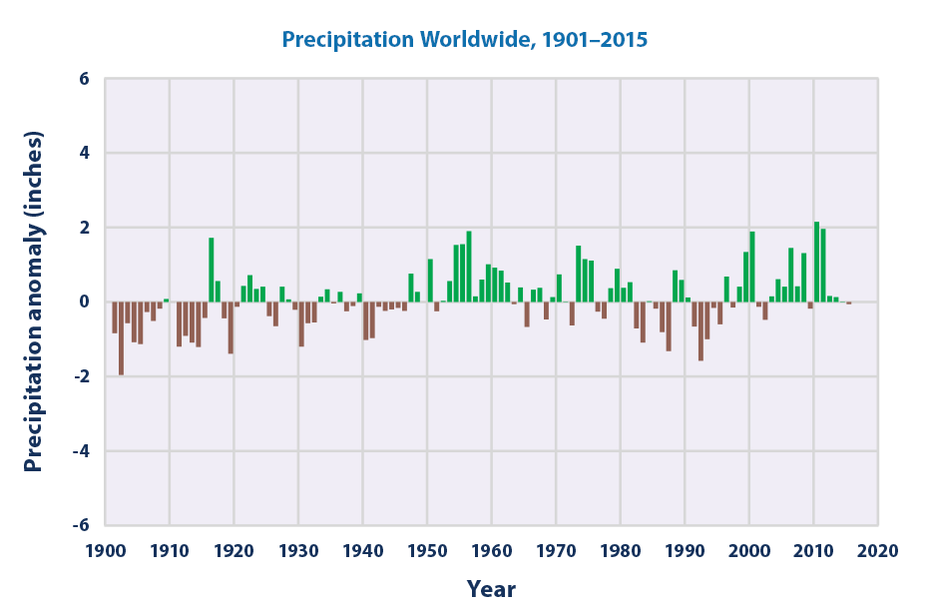
Source: United States Environmental Protection Agency
By comparison, excessive and intense rainfall over a short period of time is a very common cause of today’s dangerous flash floods. Extreme rains cause the drainage system to be unable to keep up with the rate of rainfall. The situation is further exacerbated when the afflicted area has a river flowing through it, as the rainfall can cause the river to overflow into surrounding communities. Landscapes that have been changed through deforestation have less of a natural barrier to slow floods and protect communities.
With global precipitation in an upward trend, it's likely that we'll see an increasing number of floods as well.
What is most unfortunate is that the dam failures caused by a lack of funding for upkeep and maintenance are completely preventable. The video above from The Guardian captures the immense scale of a flash flood resulting from a dam failure in Brazil.
Dangers of Flood Water
|
|
|
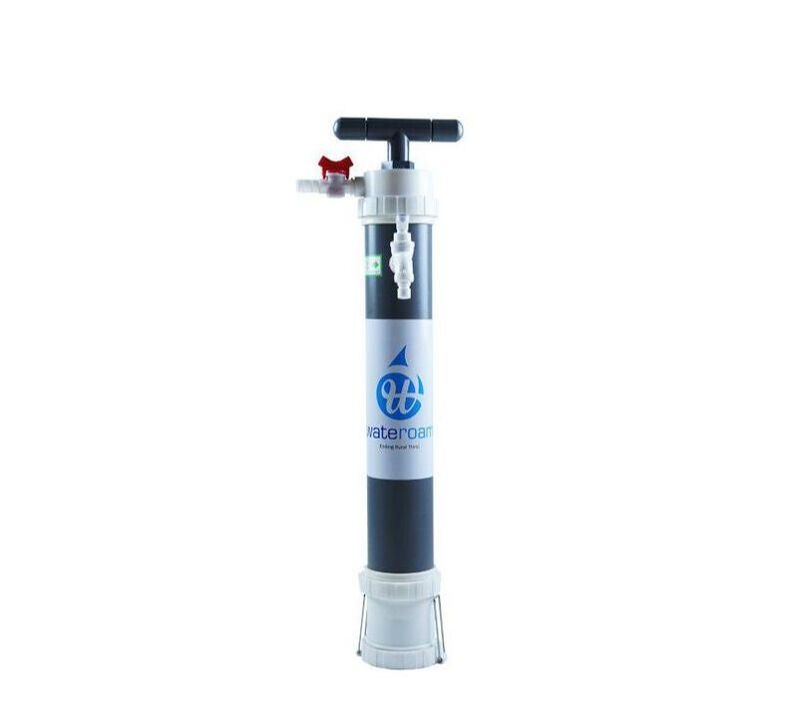
Water purification solutions such as chlorine tablets or filtration devices that are independent of electricity, like our ROAMFilter™ Plus, should be accessible.
|
|
|
|
|
Identify safe zones such as high grounds that you can relocate to quickly.
|

Photo by Pok Rie from Pexels
|
|
|
|
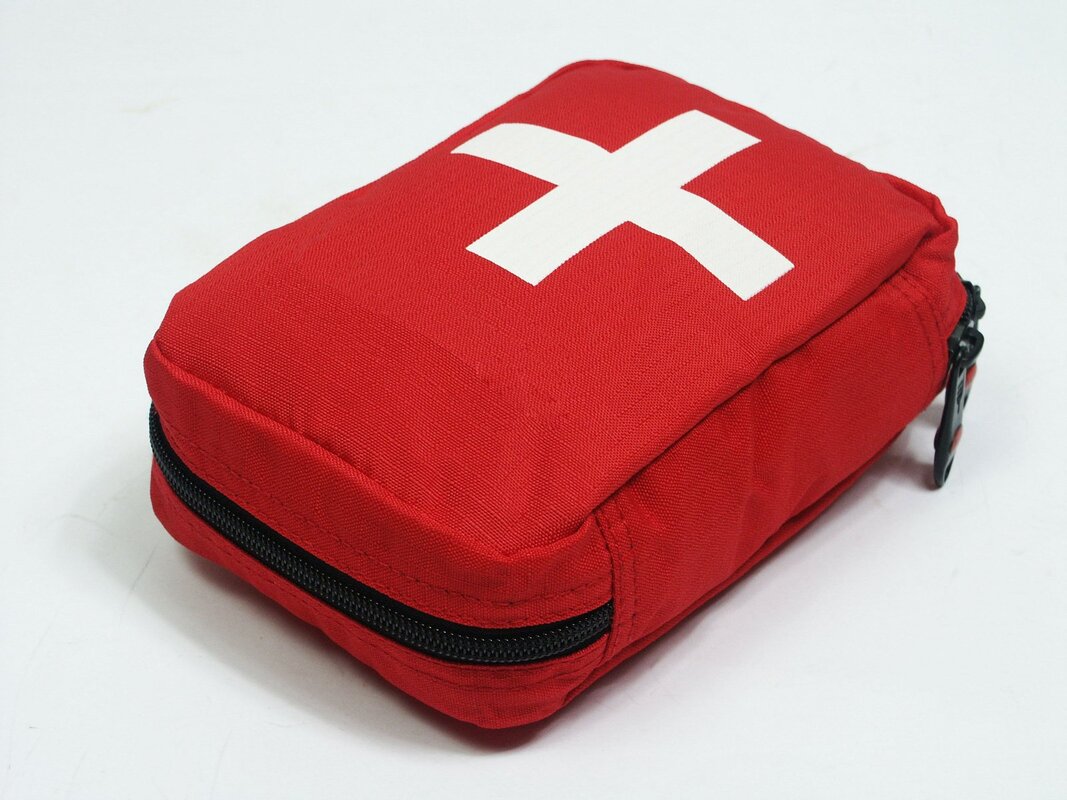
First-aid kit and basic first aid knowledge can help prevent serious injuries and save lives. Try to keep the first-aid kit waterproof as the supplies might get damaged in floodwater
|
|
|
|
|
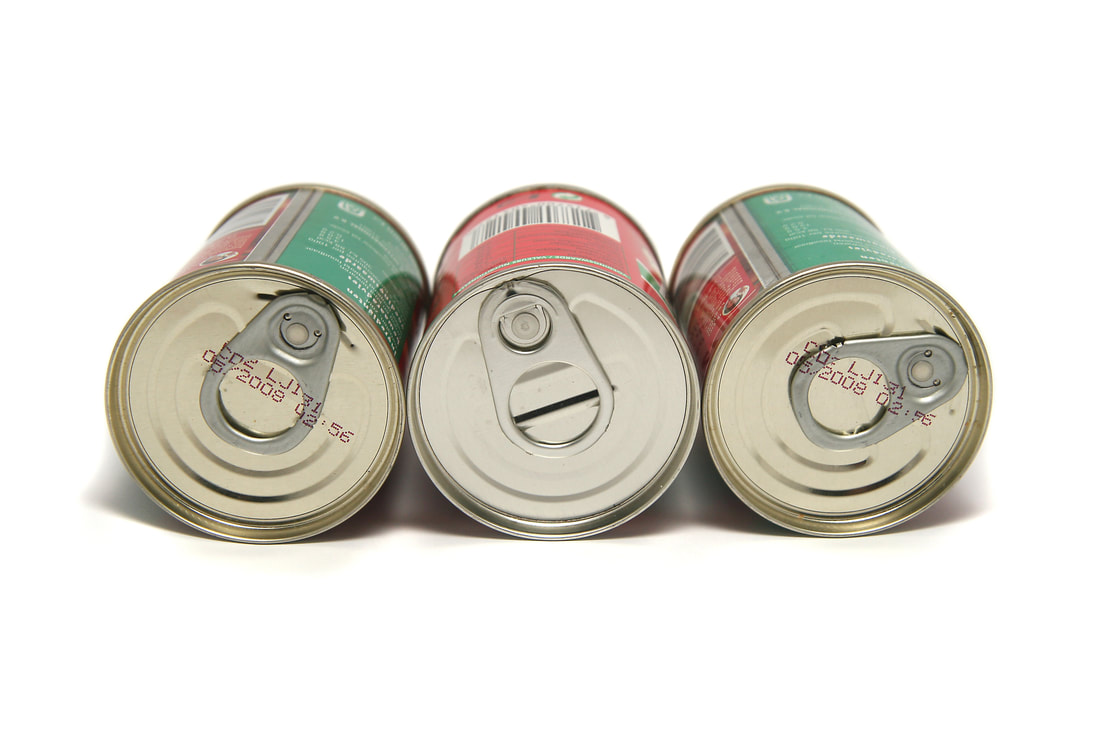
Emergency food in cans or packages that can be stored for prolonged periods of time and are not susceptible to contamination by flood water
|
|
|

What to do during a flood
|
Abandon your vehicle
Many people make the false assumption that staying in their vehicle will keep them safe from the floodwater, but this couldn’t be further from the truth. Almost half of all drowning fatalities are car related. |
|
Don't drink unfiltered water
Untreated floodwater often contains many contaminants such as faecal matter, chemical substances and physical debris. Drinking floodwater can expose one to diarrheal diseases, leading to dehydration and even death. |
|
Relocate to higher grounds
Whenever possible, try to relocate to higher ground. However, avoid doing this if it involves navigating through floodwater. |
|
Maintain a line of communication
Either ensure your handphone is fully charged or have a waterproof radio to listen for evacuation orders and other relevant information from the authorities. |
|
Avoid electrical hazards
Avoid any fallen electrical poles as they might still be live and can conduct electricity through flood water. Turn off utilities at the main source and disconnect all electrical appliances in affected flooded areas. |
|
Avoid exposure of open wounds to flood water
Open wounds are a gateway for bacteria into the human body. As covered above, floodwater is full of dangerous bacteria and one should avoid exposing open wounds to the contaminated water. Clean any wounds with clean water to avoid infection. |

Although they are not the deadliest type of natural disaster, floods occur at a high frequency and have the potential to displace a large number of people, especially among the lower-income regions. As countries develop economically, they’re better able to deal with the human cost of floods through better infrastructure and flood response networks.
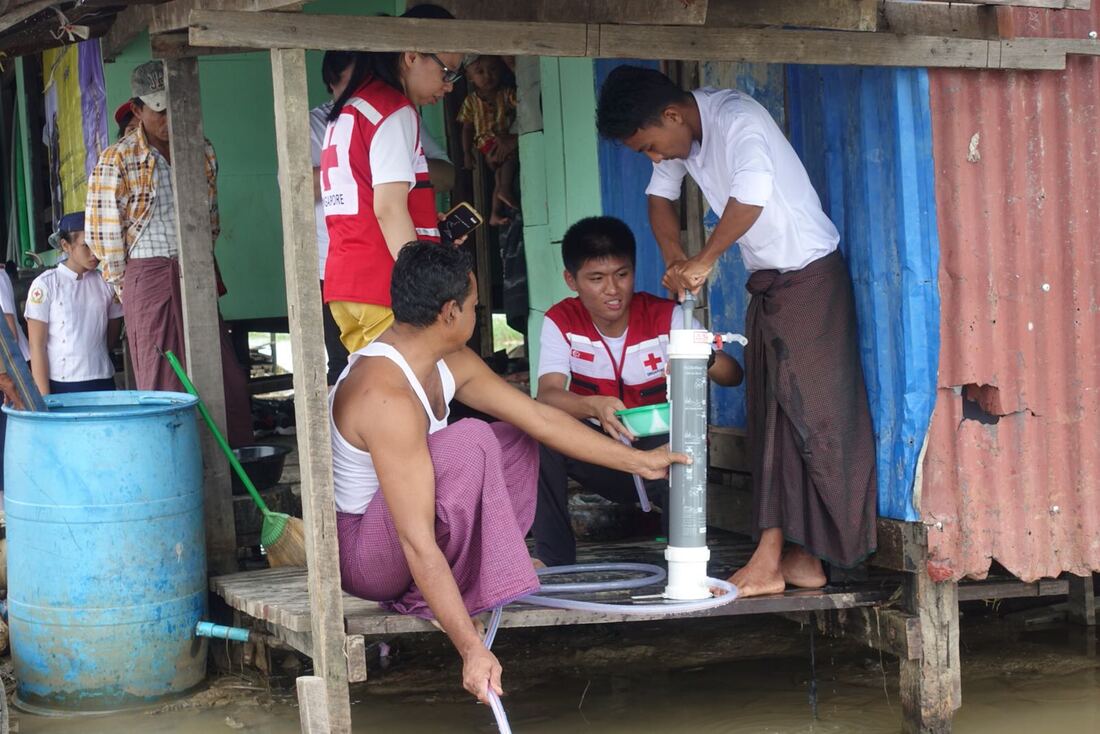
However, economic progress and building of infrastructure takes time and the people currently living in these flood-prone regions do not have that luxury of time. Until these improvements come, education on flood preparation and response plays an important role in saving lives.
Think you might be affected by a flood?
Fill in the contact form below to find out more about the water filtration solutions we offer for flood relief!
Please select the drop-down for other amounts
|
|
|
|
*Please refer below for terms and conditions
You can also sign up for our newsletter by filling out the form below.
Sign up for our newsletter!
Blog Author: Jien Wei Tan
Chief Editor: Michelle Falcone
Chief Editor: Michelle Falcone