10 Simple life-saving methods for water purification (Part 1)
Do you know that 1 in 7 globally are consuming unsafe drinking water?
In fact, having clean drinking water is one of the biggest concerns for travelers living abroad, especially humanitarian workers and emergency relief organisations responding to disasters. Imagine being stranded after a flood swept through the city. The pipelines are broken and the water supply is disrupted. There is no power supply nor electricity. People around you are thirsty and in desperate need of clean water. With the limited resources available, how can you obtain safe drinking water? Lucky for you, there are several simple methods you can use to purify water.
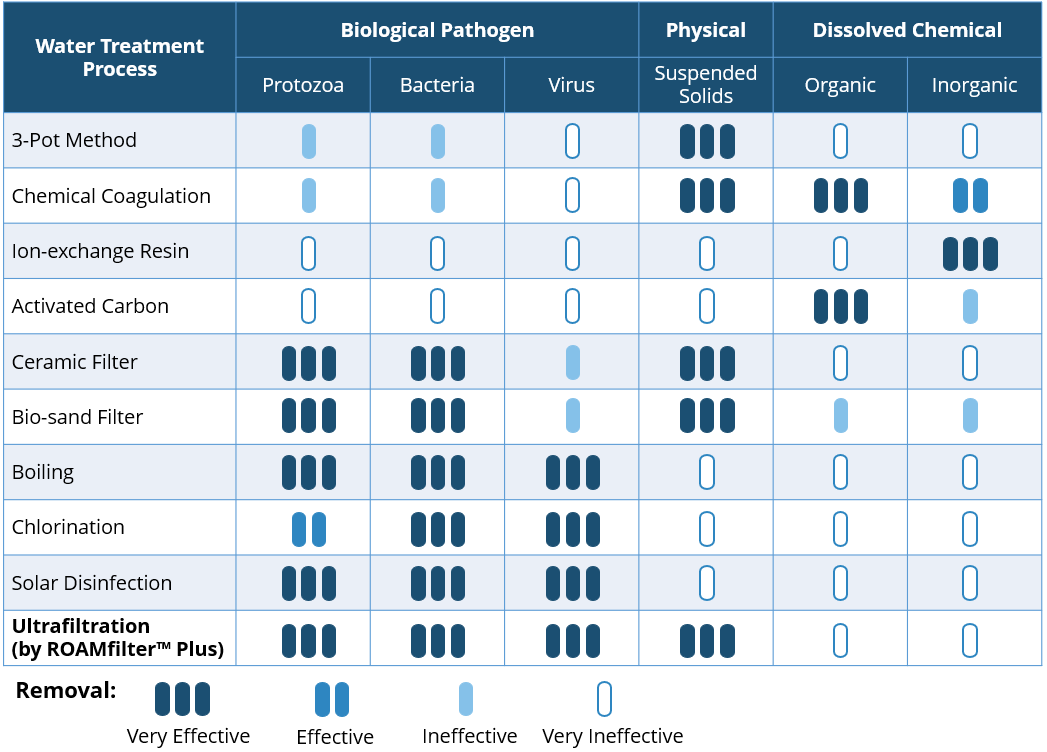
In this post, we will explore the advantages and drawbacks of the different water treatment methods and how we can treat and obtain clean drinking water in rural and disaster affected areas. Summary
3-Pot Method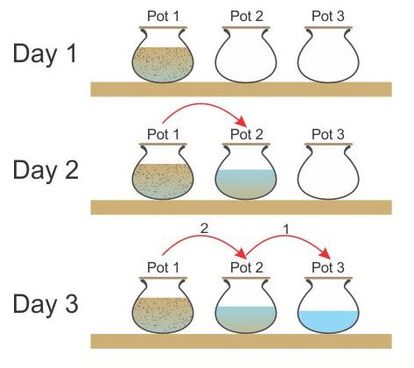
An affordable pre-treatment method!
Source: http://www.vicharoo.com/water/low-cost-water-purification-methods-1/ The 3-pot method is a simple trick you could do to improve your water quality with just a few pots. All you need is a clean cloth and three containers with cover. While this is by no means a complete disinfection, it reduces the larger physical suspended solids and provides you an improved source of water for emergency.
By storing water in a covered pot for at least two days in a safe and undisturbed condition, the process slows down bacteria growth and multiplication by depriving them of key respiratory elements such as oxygen. The process can reduce the level of aerobic bacteria by 50% due to the unfavorable survival conditions in the pot. Pathogens attached to suspended solids will also settle to the bottom of the pot with time, thereby improving the quality of the stored water. Always draw the supernatant (water from the top of the pot) to get cleaner water. The pots should be covered to avoid re-contamination and with a wide enough neck to ease the cleaning process. Pro-tip: The 3-pot method is a handy technique is commonly used as a form of pre-treatment before filtration!
Chemical Coagulation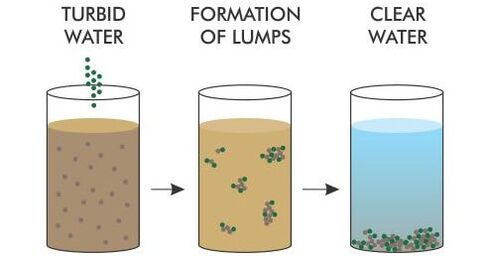
Coagulant to suspended particles: Let’s stick together
Source: http://www.vicharoo.com/water/low-cost-water-purification-methods-1/ Coagulation is a like using a “glue” to stick small particles together to form larger particles. The larger particles can then settle down faster because they are heavier.
Coagulants is the “glue” mentioned in the coagulation process. It includes aluminum or iron salts, such as ferric sulphate, ferric chloride, aluminum sulphate or polymers. But what’s the science behind this… “gluing” process? Interestingly, it is through the neutralization of the negatively charged suspended particles in the water. Coagulant turns the repulsion between particles to attraction and helps to bind the particles together. This could be done by stirring the coagulant in the water for a few minutes and letting the water to stand until most of the coagulated particles settle. Obtain the clear water from the top portion of the container. You can remove most organic compounds effectively by coagulation, while certain inorganic compounds, such as arsenic, lead, cadmium, mercury and copper could be removed as well.
Ion-exchange Resin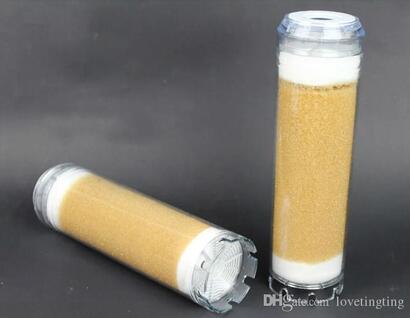
Stripping off the bad stuff
Source: https://www.dhgate.com/wholesale/reverse+osmosis+water+systems.html As much as possible, we want to avoid a water source that is contaminated with heavy metals. Heavy metals that goes beyond the WHO threshold is harmful and chronic exposure can damage the human body indefinitely.
Passing the water through an ion-exchange resin is an effective way to remove inorganic chemicals including heavy metals. The resins act as a medium for ion exchange and when water contacts the resin, certain “bad” ions (such as heavy metals) are trapped and replaced by the ions not harmful to the human body. Anion resins and cation resins are the two most common resins used in the ion-exchange process. Anion resins attract negatively charged ions, while cation resins attract the positively charged ions. However, some contaminants are not easy to remove by conventional ion exchange resins. Specific resins have been developed to remove those contaminants. The most common chemical composition of ion-exchange resins is polystyrene, while certain types are manufactured from acrylic (either acrylonitrile or methyl acrylate).
Sign up for our newsletter!
Activated Carbon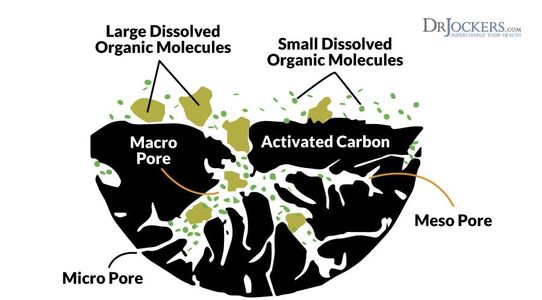
Adsorbing the organics
Source: https://drjockers.com/4-reasons-use-activated-charcoal/
Activated carbon is an effective material to remove organic chemicals from water besides coagulants. Activated carbon has many small pores on the surface to achieve a very high surface area and contact point.
One gram of powdered activated carbon has a surface area of more than 3,000 m². Thus, large amount of soluble substance can stick (adsorb) onto the activated carbon surface. Sufficient contact time (10 to 20 minutes) is usually required to remove contaminants effectively from the water. Although it is not effective for microbial contaminants, metals, nitrates and other inorganic contaminants, activated carbon can be combined with other treatment methods to complement each other.
Ultrafiltration (by ROAMfilter™ Plus)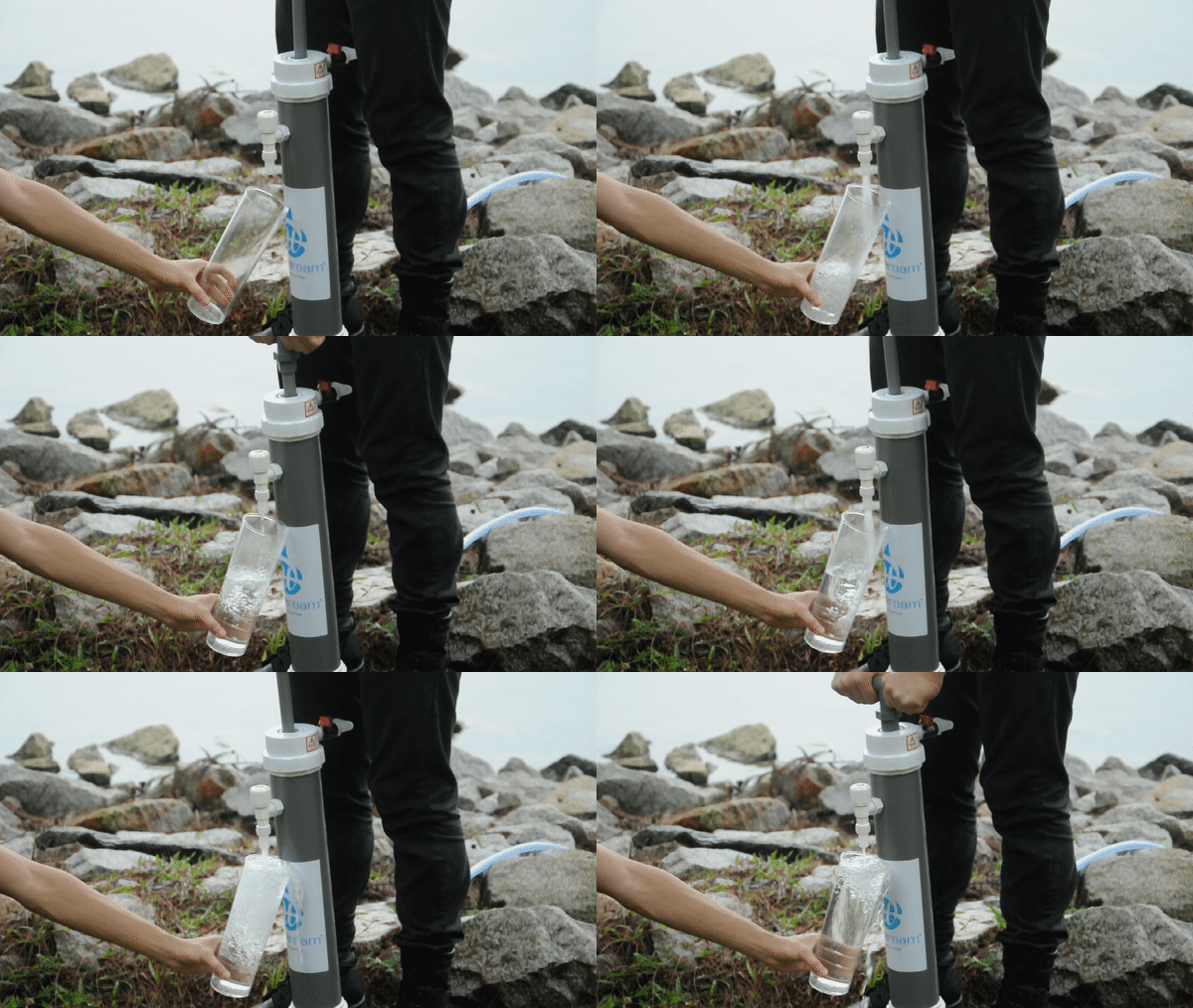
1L of water in seconds!
Ultrafiltration (UF) is a process that physically separates microscopic particles from the water based on the principle of size-exclusion. UF removes essentially all colloidal particles (0.01 to 1.0 microns) from water and some of the largest dissolved contaminants.
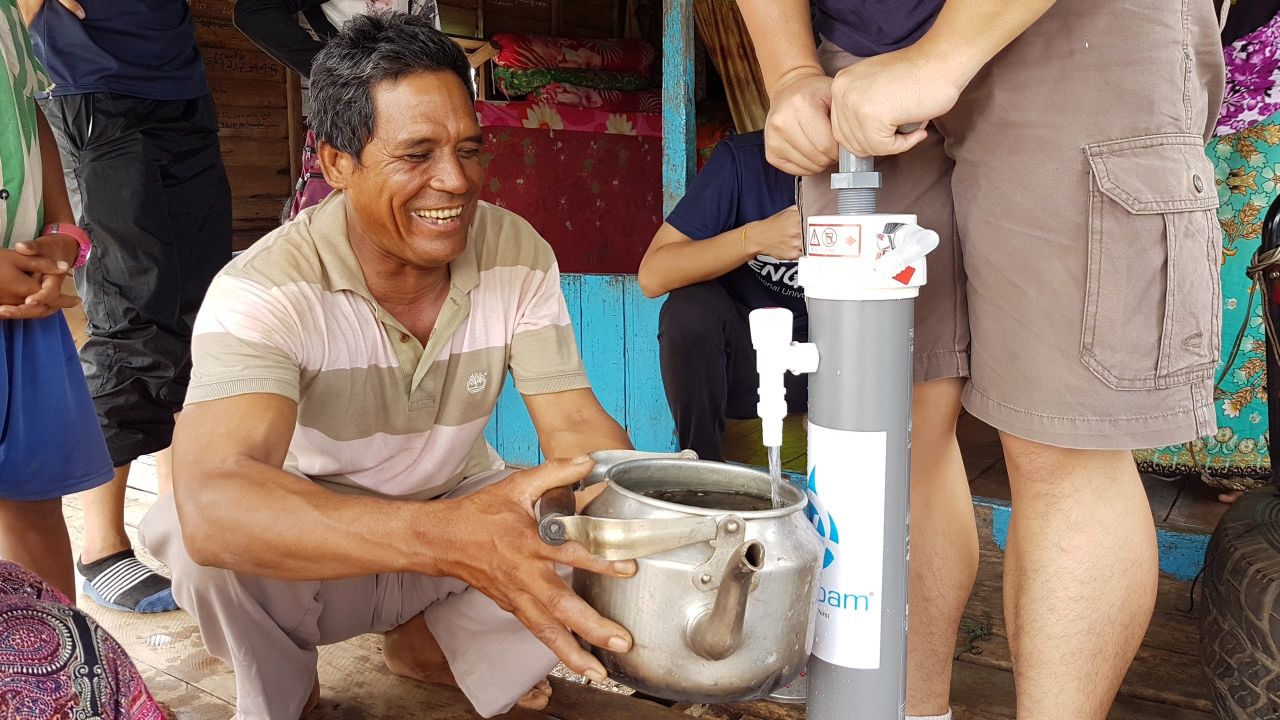
The ROAMfilter™ Plus is a water filtration system that is specifically made for disaster and rural development areas. The filter is designed to be safe, simple and swift. Safe because our technology utilizes 0.02-micron pore membranes, capable of removing bacteria and viruses. Simple because it works exactly like a bicycle pump, making it easy to operate and maintain without electricity. And Swift because at a light weight of 3 kg, it can be easily carried over any terrain and deployed to produce more than 200 litres of clean water per hour.
Thirsty for more knowledge?Check out 10 simple life-saving methods for water purification (Part 2) to find out more!
Did you know, 525,000 children under 5 die from diarrhoeal diseases every year? Millions more fall ill due to water-borne diseases caused by the lack of access to clean drinking water.
Please select the drop-down for other amounts
*Please refer below for terms and conditions
|